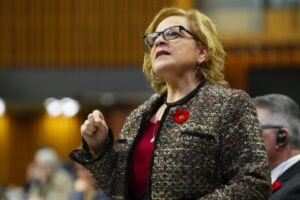
Canada Makes History with First-Ever Express Entry Draw for Physicians: CRS Score Drops to 169

Canada Makes History with First-Ever Express Entry Draw for Physicians: CRS Score Drops to 169

Based on IRCC Guidelines — R188(1)(c)

Canada is a top destination for international learners, and not every educational experience requires a full study permit. Under Canadian immigration regulations — specifically R188(1)(c) — foreign nationals can enter or remain in Canada to attend a course or program of 6 months or less without needing a study permit. Here’s what that means in practice, and what you should watch out for.

The Basic Rule: 6 Months or Less, No Study Permit Required

If your course or program wraps up within 6 months, you’re generally free to study in Canada as a visitor. This exemption applies regardless of the subject matter, and your program can be either part-time or full-time. The only firm requirement is that your studies must be completed within the period authorized upon your entry into Canada.

This flexibility makes Canada accessible for language learners, professional development participants, workshop attendees, and anyone pursuing a short academic stint without the need to go through the full study permit process.

If You Hold a Work Permit or Visitor Record

Foreign nationals who enter Canada on a work permit or visitor record are also permitted to take short-term courses (6 months or less) during their authorized stay. However, there’s an important catch: if you apply to extend your stay, you will need a study permit to continue any course or program once your original work permit or visitor record expires — regardless of how long that program is.

You Can Still Apply for a Study Permit (And There Are Good Reasons To)

While a study permit isn’t required for short-term programs, you absolutely can apply for one — and an immigration officer must accept and process your application even if your program is 6 months or less. Why would you bother? A few compelling reasons:

  • Future studies: Holding a study permit allows you to apply from within Canada (under R215(1)(a)) to extend or change your study conditions if you decide to pursue further education.
  • Work opportunities: Study permit holders may be eligible for work programs available to international students under R186(f), R186(v), and R205.

If you’re even considering staying longer or working on campus, getting a study permit upfront is the smarter move.

It’s About Program Length, Not Just How Long You Plan to Study

This is one of the most commonly misunderstood aspects of the exemption. What matters is the length of the course or program itself, not necessarily how many months you personally intend to study. For example, if you plan to take only 5 months of a 9-month program, you would still need a study permit — because the program itself exceeds 6 months. The only exception to this is exchange programs.

Non-Designated Learning Institutions (Non-DLIs)

You can attend a short-term course at a non-DLI (a school not on Canada’s Designated Learning Institution list) without a study permit. However, a study permit cannot be issued for courses at a non-DLI under R216(e). Keep this in mind if you’re planning future studies that require a permit.

What About Taking Multiple Short Courses Back-to-Back?

The short-term exemption is not a loophole for completing a full program course by course. IRCC is clear: R188(1)(c) is not intended to allow a foreign national to complete an entire program without a study permit by enrolling in required courses one at a time.

If you want to enrol in a new course or program after finishing one, you generally need to leave Canada and apply for a study permit abroad in the normal manner before re-enrolling. That said, if you leave and re-enter Canada, that re-entry starts a fresh period of authorized stay, and you can take another short program of 6 months or less at that point.

Also important: your authorized stay as a visitor will not be extended simply to allow you to finish a short-term course that runs past your permitted period.

Key Takeaways

  • Courses of 6 months or less generally don’t require a study permit under R188(1)(c).
  • Your program must be completed within your authorized period of stay.
  • The program’s total length matters more than how long you plan to study.
  • Applying for a study permit — even for short programs — can unlock future study and work options.
  • You cannot chain short courses together to avoid getting a study permit for a longer program.

GOT AN ITA AND NOT SURE HOW TO MOVE FORWARD?

We are here to help and guide you through the entire process.

Email
Phone
WhatsApp
WhatsApp
Phone
Email